Overcoming Imposter Syndrome in Your First Year of Freelancing
Almost every freelancer experiences it.
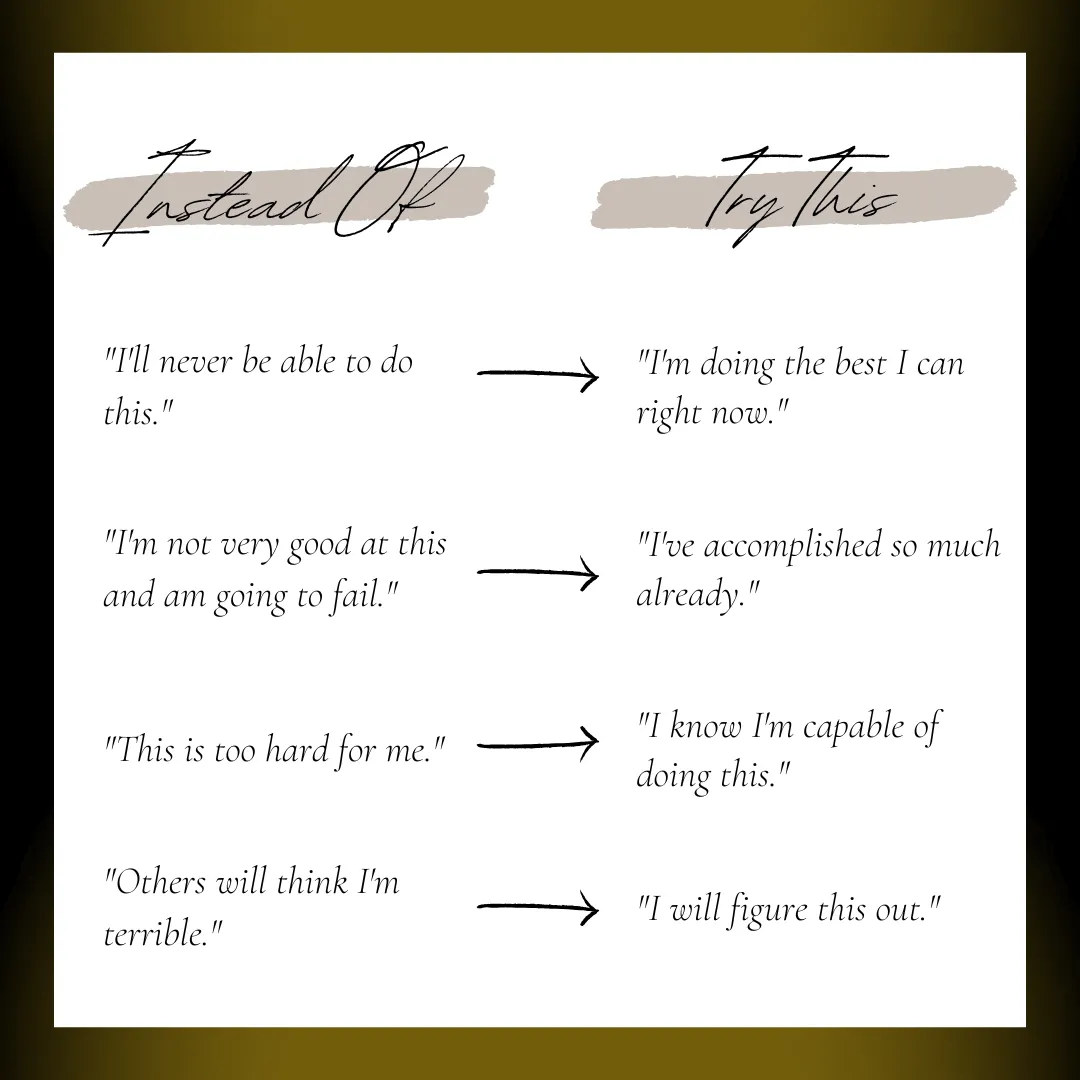
That quiet voice that whispers: “Who do you think you are to be doing this?”
You land your first client, and instead of excitement, you feel pressure. You wonder if you really know enough. You question whether someone more experienced could do the job better. This feeling has a name: Imposter syndrome.
And for many new copywriters, it shows up early and often.
The good news is that experiencing it does not mean you are unqualified. In many cases, it simply means you care about doing your work well.
What Imposter Syndrome Looks Like
Imposter syndrome can appear in several ways during your first year of freelancing.
You hesitate to raise your prices because you feel inexperienced. You overwork projects because you fear disappointing a client. You compare yourself to established writers and feel like you do not measure up. You delay putting your work out publicly because you think it is not good enough.
These thoughts are common, but they can quietly hold you back if left unchecked. The truth is that every professional once started exactly where you are.
Remember That Experience Comes Through Action
Confidence is not built before you begin. It is built while you are working. Many new freelancers believe they need years of experience before they can charge fair rates or offer professional services. But experience is created by doing the work.
Every project teaches something new. You learn how to ask better questions. You learn how to interpret client feedback. You learn how to write faster and with greater clarity.
Growth happens through action, not waiting until you feel ready.
Ecclesiastes reminds us of this truth:
“Whoever watches the wind will not plant. Whoever looks at the clouds will not reap.” ~ Ecclesiastes 11:4
Waiting for perfect confidence often leads to standing still. Progress requires movement.
Stop Comparing Your Beginning to Someone Else’s Middle
One of the fastest ways to feed imposter syndrome is comparison.
You see experienced copywriters posting case studies, landing large clients, or sharing impressive results. What you do not see are the early years that shaped their skill.
Every expert once had a first client. Every strong portfolio began with a single project. Your journey will look different from someone else’s timeline. And that is perfectly normal. Instead of focusing on where others are, focus on improving one step at a time.
Focus on Serving, Not Proving
A powerful shift happens when you stop trying to prove yourself and start focusing on helping your client. Your client does not need perfection. They need clarity, communication, and someone willing to solve a problem.
When your attention moves from “Am I good enough?” to “How can I serve this client well?”, much of the pressure disappears. Copywriting is not about ego. It is about helping businesses communicate clearly with the people they want to reach.
When you focus on that mission, confidence naturally grows.
Keep Evidence of Your Wins
Another helpful strategy is documenting your progress.
Save positive feedback from clients. Keep screenshots of successful campaigns. Record milestones like your first signed contract or completed project. These small victories become reminders of how far you have already come. When doubt creeps in, evidence can quiet the voice of uncertainty.
Faith Over Fear
Imposter syndrome often comes from focusing on our own limitations. Faith shifts that focus. If God places a calling on your life, He also equips you to walk it out. That does not mean the journey will be effortless, but it does mean you do not have to rely on your own strength alone.
Second Timothy offers this reminder:
“For God has not given us a spirit of fear, but of power and of love and of a sound mind.” ~ 2 Timothy 1:7
Fear tells you to shrink back. Faith encourages you to step forward.
Final Thoughts
Every freelancer feels uncertain in the beginning. You are learning a new skill, building a business, and navigating unfamiliar territory. Doubt is a natural companion in the early stages. But doubt does not get the final say.
The more you show up, complete projects, and serve clients with excellence, the quieter that voice becomes. Confidence is not something you wait for.
It is something you build, one project at a time.
